Sunday Sermon
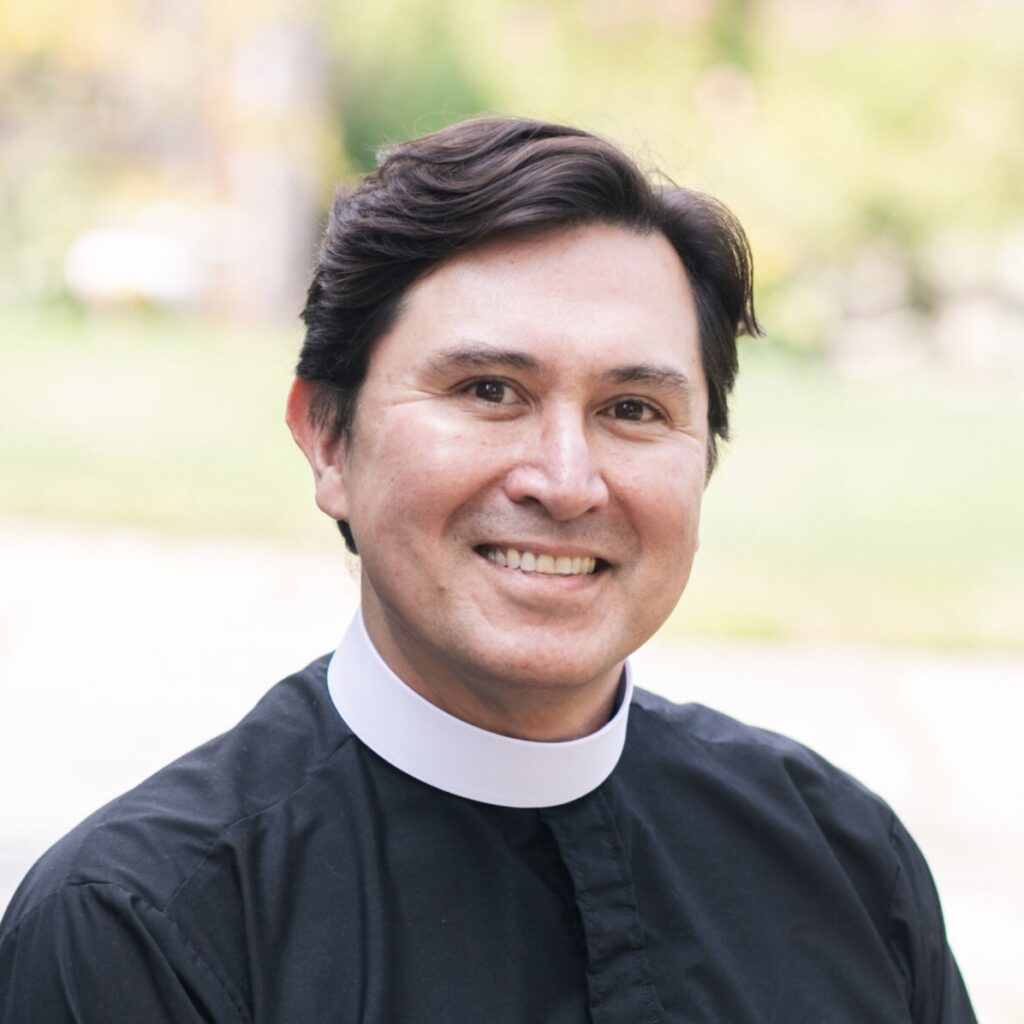
The Rev’d Michael J. Horvath, Gospel: Matthew 13:1-9,18-23
July 12, 2026 – Sermon for the Seventh Sunday in Ordinary Time
Yesterday our gardens were open for the Hydrangea Festival, and we welcomed many wonderful visitors to St. Mary’s. The Garden Committee and an extraordinary group of volunteers spent countless hours preparing the gardens, greeting guests, and sharing the beauty of this place with our neighbors. The gardens looked magnificent. Yet anyone who spends time with gardeners quickly discovers that conversations rarely stay focused on flowers. Before long someone is talking about compost, drainage, mulch, fertilizer, or the mysterious process that transforms ordinary dirt into rich, living soil. Beautiful gardens begin long before blossoms appear. They begin beneath the surface.
Good soil receives. It breathes. It is nourished, turned over, cared for, and cultivated. Even poor soil can become fertile with patient attention. Long before anyone notices the flowers, life is already taking shape underground.
Jesus knew that too.
In today’s Gospel he tells the story of a farmer scattering seed. Some seed falls on the path. Some lands among rocks. Some is swallowed by thorns. Only some falls into good soil. It is a familiar parable, and most sermons invite us to ask which kind of soil we are. There are seasons when our hearts are open to God and seasons when disappointment, anxiety, or distraction make it harder for God’s word to take root.
This morning I find myself asking a similar but different question.
What kind of soil are we becoming together here at St. Mary’s?
Churches have soil too. Every congregation develops habits, relationships, and expectations that shape the way people experience God and one another. Some communities become places where trust grows naturally, where questions are welcomed, where worship nourishes the soul, where friendships deepen, and where people discover meaningful ways to serve. Other communities become more anxious, more cautious, or more focused on preserving what already exists than on cultivating what God may be doing next. Soil determines what grows. The same is true for churches. The character of a congregation shapes the kind of disciples it forms.
That question feels especially important because all of us recognize that the landscape of religion has changed dramatically during our lifetime. Church attendance has declined across nearly every denomination. Many of our children and grandchildren experience faith differently from previous generations. Those realities are no longer surprising. We experience them in our own families and communities.
When I read the Gospels, I notice that Jesus built community long before he built institutions. He gathered people around tables. He welcomed those who had been pushed aside. He invited honest questions. He called people into relationships before they understood everything there was to believe. He formed communities where people belonged, grew, and discovered together what life in the Kingdom of God looked like. His ministry was deeply relational.
Our Thursday morning Books & Breakfast group has been reading Stephanie Spellers’ Church Tomorrow?, in which she tackles the questions that make everyone anxious and fearful: where are all the young people, is the Church dying? The first few chapters in which she lays out the history of the Church’s recent decline is truly anxiety making, and it immediately puts us in a problem-solving posture which makes everyone even more anxious because we have an outdated idea of what a healthy church looks like i.e. the past. But one of the things I appreciate most about her work is that she approaches these changes with curiosity instead of fear. Rather than asking how the Church can recover what once was, she asks where God is already at work and whether the Church has the courage to notice.
As Spellers listened to young adults across the country, she found that many were still asking profoundly spiritual questions. They longed for meaning, authentic community, lives of purpose, and opportunities to make a difference. They valued authenticity before authority, relationships before institutions, participation before observation, and communities whose lives reflected the values they proclaimed.
In other words, they were less interested in hearing that everyone is “welcome” than in seeing whether everyone truly “belongs”. They wanted justice practiced, not simply preached. They wanted compassion to shape budgets as much as sermons. They wanted creation cared for, neighbors served, differences respected, and strangers embraced. They wanted to know whether the Gospel actually changes the way a community lives together. Their spiritual hunger had not disappeared. The places where they expected to satisfy that hunger had changed.
I find that less a criticism of the Church than an invitation to deeper discipleship. Jesus himself said, “You will know them by their fruits.” He never suggested that people would recognize his followers because they had the right mission statement or the most polished programs. They would know us by the way we love. Perhaps younger generations are asking the very question Jesus himself would ask: Show me what you believe by the way you live.
The Gospel has not changed. Jesus Christ remains the same yesterday, today, and forever. What every generation must ask is how that same Gospel takes root in the circumstances of its own time. The seed remains the same. Our responsibility is to cultivate the soil where that seed can flourish.
Spellers describes this moment as an unveiling. The New Testament uses the word apocalypse, which simply means that something hidden has become visible. For many years churches could easily mistake attendance for discipleship or membership for belonging. As those assumptions have been exposed, we have been given an opportunity to ask deeper questions about who we are called to be.
Gardeners understand this instinctively. When the soil becomes depleted, they do not blame the flowers. They look beneath the surface. They add compost. They replenish nutrients. They loosen compacted earth. They know that healthy soil is never an accident. It is cultivated patiently over many seasons.
I wonder if that is where the Church finds itself today. We can continue working the same soil in the same way, hoping it will produce the harvest it once did. Over time, even the richest soil becomes exhausted. Or we can become gardeners again. We can enrich the ground with practices that help faith grow in this generation: deeper relationships, honest conversation, beautiful worship, meaningful service, shared leadership, generous hospitality, and lives that visibly reflect the love of Christ. None of those things change the Gospel. They simply create healthier soil in which the Gospel can flourish.
Perhaps that is the invitation Jesus offers us today. Rather than becoming preoccupied with numbers or wondering whether the Church has a future, we are invited to pay attention to the condition of our soil. Are people finding genuine welcome here? Do they have space to ask honest questions? Are relationships growing deep enough to sustain them through joy and sorrow? Does the way we live together make Christ visible to those around us?
Healthy soil never exists for its own sake. Its purpose is to nurture life.
Our calling, then, is not to chase every cultural trend or recreate a past that belonged to another generation. Our calling, as it has been for generations past, is to cultivate the conditions where people of every generation can encounter Christ.
That work also calls us to listen. The questions younger generations ask need not threaten us. They may help us hear the Gospel with fresh ears. The Holy Spirit has always gone ahead of the Church, preparing hearts long before we arrive. Our task is to recognize where God is already at work and join that work faithfully.
What kind of soil are we, St. Mary’s, becoming?
Amen.