Sunday Sermon
July 26, 2026
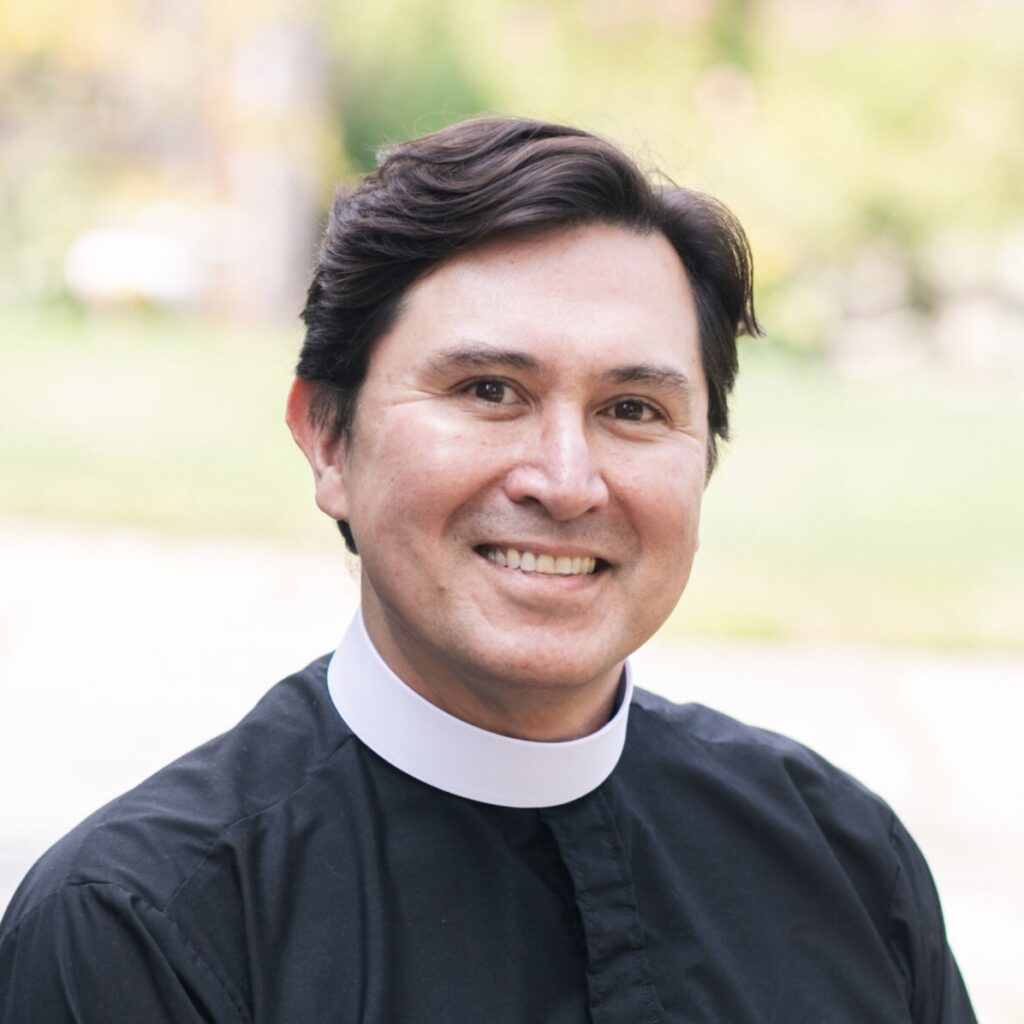
The Rev’d Michael J. Horvath, Gospel: Matthew 13:31-33, 44-52
I went to see The Odyssey this week, and I came away thinking that Odysseus may
have had the worst commute in human history. His trip home from Troy takes ten years.
Along the way, he encounters storms, shipwrecks, monsters, angry gods, seductive
goddesses, and the consequences of his own cleverness. By comparison, summer
traffic approaching the Sagamore Bridge begins to look remarkably efficient. At least our
journey comes with air conditioning, cup holders, and the possibility of stopping for fried
clams. Odysseus makes the entire trip by ship, raft, and occasionally by clinging to
whatever piece of wreckage happens to float past.
Beneath all the spectacle lies a simple human desire. Odysseus wants to go home.
Home is Ithaca. It is Penelope, Telemachus, his household, his land, and the life
interrupted by war. He carries Ithaca within him through every danger. It gives direction
to his journey, even when his choices send him wildly off course. Every island presents
a question. Every temptation asks what he values. Every encounter reveals something
about the man he has become. He knows the location of home, while the journey keeps
asking whether he still understands what home means and whether he has become
capable of living there again.
That question brings us into the Gospel this morning. Jesus speaks of someone who
discovers treasure hidden in a field and a merchant who finds a pearl of great value.
Once they recognize what they have found, their lives acquire a new center. Everything
is measured in relation to that treasure. Possessions, plans, and expectations are
rearranged because something of greater value has appeared. The kingdom of heaven
becomes the treasure that tells them where home is. It gives their lives direction. It tells
them what deserves their time, energy, loyalty, and love.
Every life is sailing toward some Ithaca. We organize our days around something we
hope to reach or preserve. For some, the destination is security. For others, it is
recognition, success, comfort, influence, belonging, or the approval of people whose
opinions have acquired tremendous power. These desires can look sensible and
respectable. They can also carry us a great distance from the people we hoped to
become. The difficult question is whether the treasure we pursue is worthy of the life we
are spending to acquire it. Jesus places that question in the middle of a field and leaves
it there for us to dig up.
Odysseus is complicated because his great gift is also one of his great dangers. He is
clever. His mind brought down Troy. He can read a situation, devise a strategy,
manipulate an enemy, and talk his way through danger. Cleverness saves his life, and
cleverness also creates suffering. The skills that make him successful in war follow him
into the journey home. He has learned how to defeat people, deceive them,
outmaneuver them, and survive them. But home is something different. Home asks for
relationship, trust, recognition, tenderness, and fidelity. A person shaped by war has to
discover how to live again among those he loves.
We face our own version of that struggle. We develop skills for surviving, succeeding,
and protecting ourselves. We learn how to appear competent, how to read a room, how
to keep control, how to hide tenderness, and how to avoid appearing vulnerable. These
skills may carry us through difficult seasons and may even earn admiration. Then love
asks us to put them down. Community asks us to listen. Faith asks us to loosen our
grip. The kingdom asks us to become people whose strength serves mercy, whose
wisdom serves truth, and whose lives create room for others. That journey can take
years, and sometimes it feels as stormy as anything Odysseus faces.
Jesus reaches for images that unfold slowly, because that transformation doesn’t
happen all at once. The treasure lies beneath the field. The yeast disappears into the
flour. The mustard seed begins as something easily overlooked. The kingdom works
beneath the surfaces we present to the world. It reaches into the places where ambition,
fear, grief, and longing live together. Grace begins its work there, oftentimes beyond our
awareness. Then, almost unexpectedly, we discover that something has changed. We
respond with patience where anger once came easily. Compassion grows where
judgment once held sway. A long-held grievance loosens its grip. The dough has begun
to rise.
The people in these parables possess the ability to recognize value. The man in the
field understands what he has uncovered. The merchant has spent years studying
pearls, and his practiced eye recognizes the one pearl worthy of everything.
Recognition grows through attention. We learn to recognize God through prayer,
Scripture, the Eucharist, acts of service, and the long practice of living in community. We
also learn through our mistakes, disappointments, and the moments when our carefully
drawn maps prove inadequate. Sometimes the storm teaches us what calm could never
reveal.
The Church at its best helps people recognize the treasure. We gather around an altar
and say that a small piece of bread and a sip of wine carry the life of Christ. We pour
water over a human head and declare that this life belongs forever within God’s
household. We stand beside a grave and speak of resurrection while grief still fills the
air. Christianity trains us to see beyond the surface. Ordinary things become signs of a
kingdom already among us. Ordinary people become bearers of divine grace. Ordinary
days become part of a journey toward God.
The Church can also mistake the map for the destination. We have inherited beautiful
words, sacred buildings, liturgies, customs, and memories. They help us travel, and
they carry the wisdom of generations. Jesus ends these parables by speaking of a
householder who brings out treasures new and old. The old treasures remain precious
because they have carried people through storms we can scarcely imagine. New
treasures appear because the living God continues to meet people in their own time and
place. A faithful household keeps opening the storeroom and looking again.
And St. Mary’s has to navigate all of that and more. We are learning to pay attention to
the places where God is already at work, helping us see familiar things with fresh eyes.
Each of those moments asks whether we are willing to notice the kingdom already
unfolding in our midst.
Odysseus’s longing for Ithaca keeps drawing him forward, yet reaching home involves
recognition. He must recognize the place, the people he loves, and the person he has
become. He must be recognized as well. Homecoming requires truth. It brings the
whole journey into the room: the courage, the wounds, the cleverness, the failures, the losses, and the longing. The Gospel makes a similar promise and places a similardemand upon us. The kingdom receives our whole story, and the kingdom transforms
what we bring.
Perhaps faith is the long journey of learning what home truly is. We set out carrying
ambitions, assumptions, wounds, and maps inherited from other people. We encounter
storms. We make choices that lengthen the voyage. We discover companions who help
us find our way. We lose things we once thought essential. Somewhere along the way, a
shovel strikes treasure, a pearl catches the light, or the scent of bread rising fills the
room. In moments like those, we glimpse the kingdom, and our course becomes a little
clearer.
Jesus asks his disciples, “Have you understood all this?” They answer, “Yes,” with a
confidence that always makes me smile. I suspect they spent the rest of their lives
discovering what they thought they already knew. I imagine we will as well. We keep
sailing. We keep digging. We keep learning the value of what we have found. And all
the while, the kingdom of heaven has been leading us home.
Amen.